

Industries we serve
We help companies across all industries to identify, understand, and effectively respond to water-related physical, regulatory, and reputational risks across the value chain.
Agriculture
Our agriculture expert: Paul Reig

Overview
- Crops and livestock production depend directly on reliable, high-quality water, and are often the largest source of nitrogen and phosphorus pollution and water consumption in water-stressed regions.
- Managing water effectively helps farmers protect water supplies, soil health, and long-term productivity, while increasing supply security for downstream corporate customers and consumers.
Common projects
- Agricultural supply chain water risk assessment and prioritization
- Agricultural supply chain water strategy, targets, and goals
- Strategy implementation guidance, action plans, and tracking
Food & Beverage
Our food & beverage expert: Jon Radtke

Overview
- The food and beverage industry depends on water across the value chain, including water to produce agricultural products in the supply chain, water as an input during production, and water as a key enabler for food health and safety in the downstream makers they serve.
- Effective corporate water stewardship programs help minimize reputational and social license to operate risks while building resilience and supply security in at-risk watersheds where they operate and source from.
Common project types
- Value chain water risk assessment and prioritization
- Enterprise water stewardship strategy
- Enterprise and site water stewardship strategy targets and goals
- Target implementation guidance, action plans, and tracking
- Watershed diagnostics
- Water stewardship project discovery
- Volumetric Water Benefic Accounting quantification, validation and attestation
Mining and Metals
Our mining and metals expert: Amy Herod

Overview
- The mining and metals industry has a high level of interaction and dependency on water. The nature of its extraction and processing activities may have potential to affect the water availability and quality of surface and groundwater resources – creating material physical, regulatory, and reputational water risks across all phases of the mine life cycle, from exploration to closure.
- Taking a catchment-based approach to understanding and mitigating water risks, and addressing shared water challenges, throughout the life of asset is critical – particularly in reducing production at risk, protecting surrounding ecosystems and communities, and strengthening the long-term social and legal license to operate.
Common project types
- Enterprise and/or regional water stewardship strategy
- Context and risk-based site water target setting
- ICMM Water Stewardship Maturity Framework implementation
- Value at risk and source water prioritization decision-support frameworks
Information Technology
Our information technology expert: Paul Reig
Overview
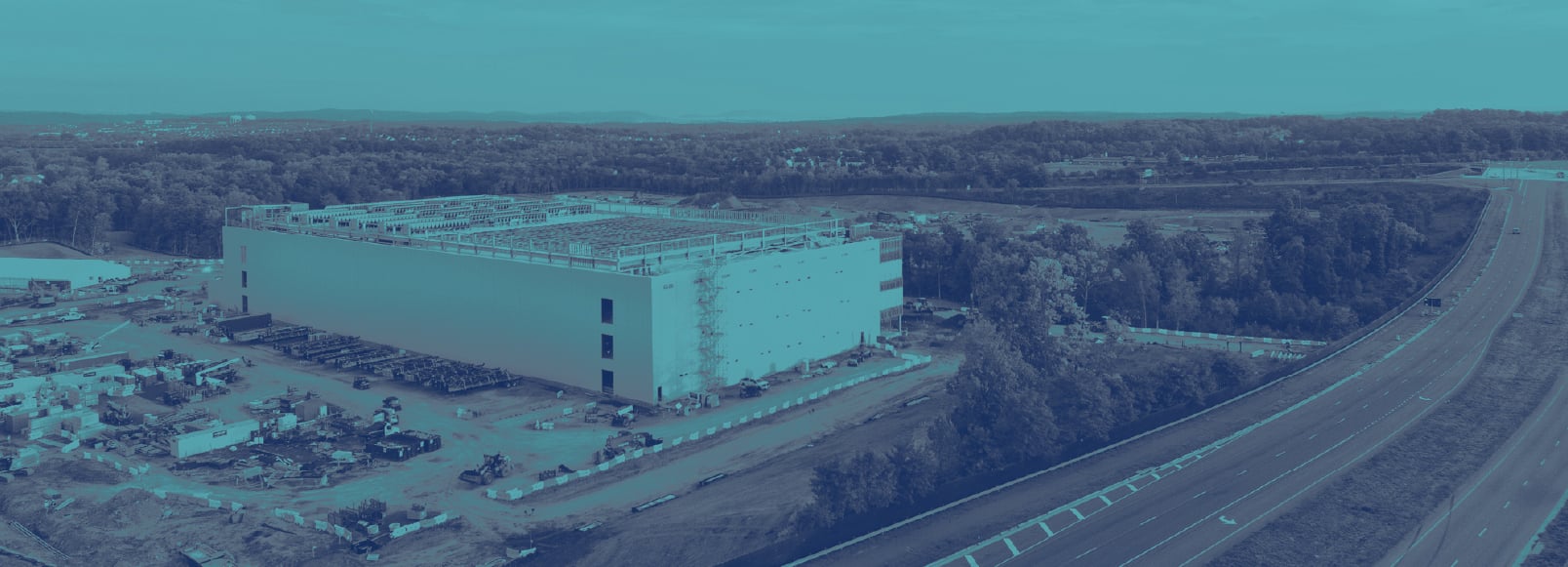
- Information technology companies, especially those operating data centers, depend on water for cooling and for accessing reliable power generation.
- Water stewardship helps strengthen operational resilience, address tradeoffs between Power Usage Effectiveness (PUE) and Water Usage Effectiveness (WUE), and drive meaningful contributions to watershed and community resilience in ways that help align digital growth with responsible resource management.
Common projects
- Enterprise water stewardship strategy and action planning
- Water stewardship in the information technology supply chain
- Water risk and impact assessments for water use embedded in purchased power
- Water stewardship project discovery
- Volumetric Water Benefic Accounting quantification, validation and attestation
Water Stewardship Project Developers
Our water stewardship expert: Stas Cynkar
Introduction
- Water stewardship is driving demand for credible, measurable ways to address water risk across watersheds surrounding corporate operations and supply chains, which in turn creates new opportunities for organizations developing projects that address shared water challenges and increase water resilience.
- As corporate commitments to improve water resilience and security grow, organizations that can work with local communities and governments to identify and implement scalable watershed projects are well positioned to drive meaningful impacts and value for people, nature, and business.
Common project types
- Water stewardship market sizing
- Go-to-market strategy
- Volumetric Water Benefic Accounting quantification, validation and attestation
- Volumetric Water Benefit Accounting new method development
- Volumetric Water Benefit Accounting tool development
- Volumetric Water Benefit Accounting capacity building
Financial Services
Our financial services expert: Paul Reig

Introduction
- Financial institutions are exposed to water-related risk through the companies and assets they finance or insure. Financial institutions are also exposed to significant market opportunities through investments in water solution providers and other companies that can help solve shared water challenges and contribute to a more water secure future.
- Integrating water stewardship into risk assessment and investment decisions helps protect portfolio value while contributing more resilient economies and supply chains.
Common project types
- Portfolio water and physical climate risk assessment
- Water stewardship market sizing
- Water investment opportunity deal review
- Volumetric Water Benefit Accounting
- Cost-benefit analysis
Water Stewardship in China and Asia
Our water stewardship expert: Tianyi Luo
Introduction
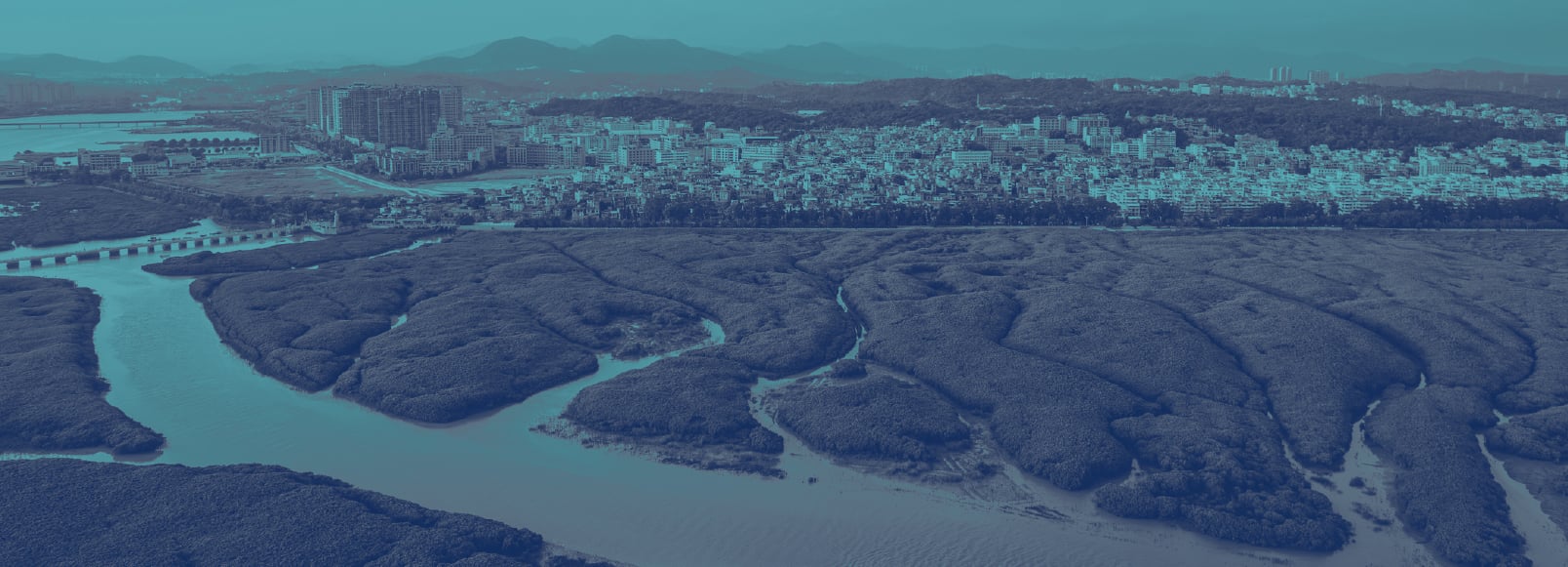
- China and the rest of Asia are central to global supply chains, and many production regions face growing water stress and climate-related risks. For multinational companies, advancing water stewardship in the region is increasingly important to strengthen operational resilience and protect long-term supply chain security.
- Water resource protection continues to be one of the top policy priorities across major manufacturing, logistics and financial hubs across Asia, with environmental regulation likely to tighten further. Proactive water stewardship can help contribute to local water policy priorities, strengthen local social and legal license to operate, and build resilience across operations and supply chains in China, and the rest of Asia.
Common project types
- Watershed diagnostics
- Water stewardship project discovery
- Volumetric Water Benefic Accounting quantification, validation and attestation
- Water-energy-climate nexus modeling and risk assessment
- Policy analysis
Some of our clients in the agriculture industry




Some of our clients in the food & beverage industry






Some of our clients in the mining & metals industry






Some of our clients in the information technology industry





Some of our clients in the Water Stewardship Project Developers industry








Some of our clients in the financial services industry

Some of our clients in China and Asia


Not all water risks are the same
A 30-minute call can clarify where your industry stands and what to do about it.