

Years of experience, available to you
Bluerisk has been involved in developing frameworks, research, and guidance that some of the world's largest companies use to manage water risk and build resilience.
Featured resource
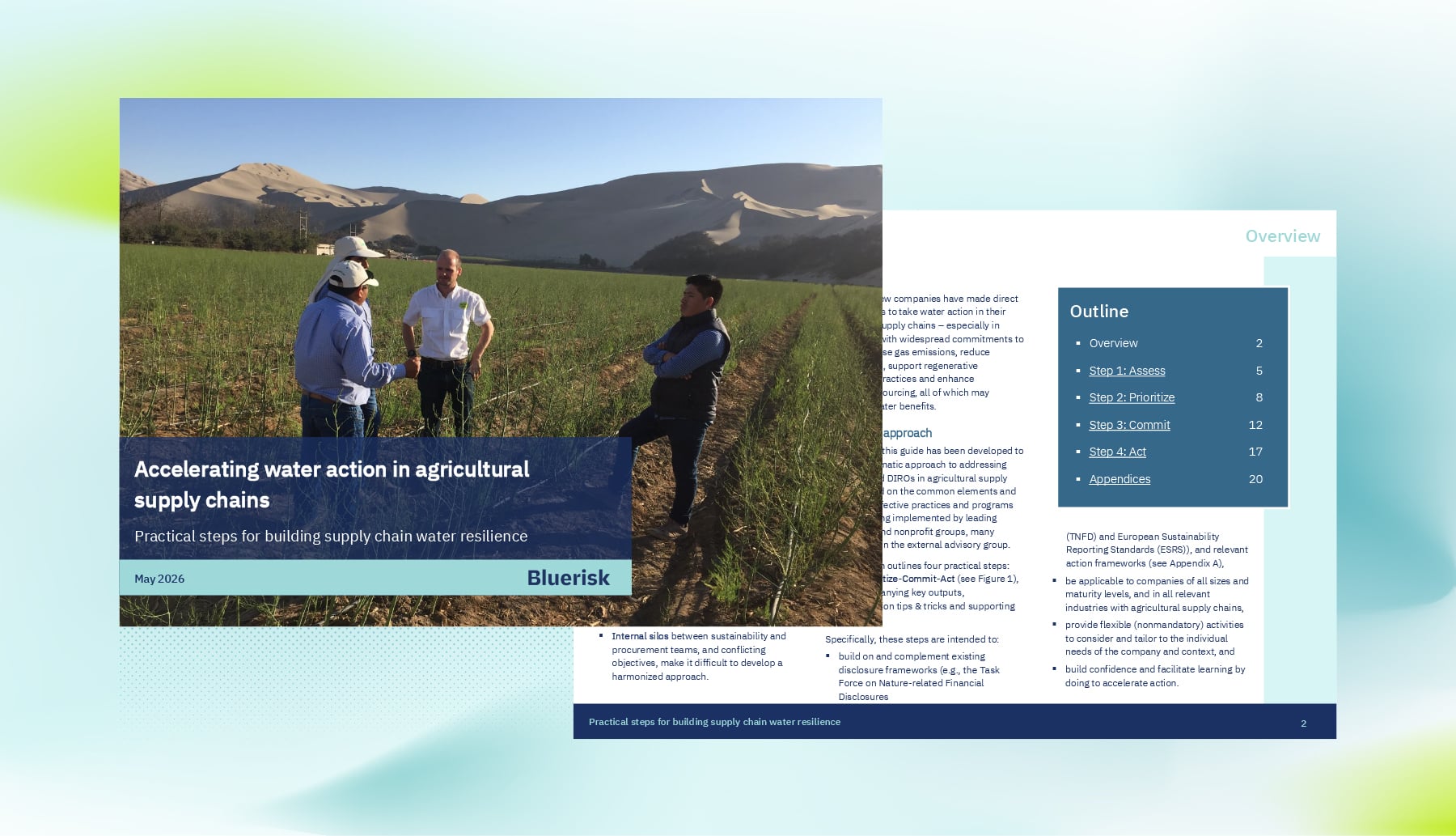
Accelerating water action in agricultural supply chains
Practical steps for building supply chain water resilience This guide provides a pragmatic approach to addressing water-related dependencies, impacts, risks, and opportunities (DIROs) in agr…
Accelerating water action in agricultural supply chains
Practical steps for building supply chain water resilience This guide provides a pragmatic approach to addressing water-related dependencies, impacts, risks, and opportunities (DIROs) in agricultural …

Volumetric Water Benefit Accounting 2.0
Since its initial publication in 2019, Volumetric Water Benefit Accounting (VWBA) has been broadly adopted and is regarded as a best-practice resource for providing transparent, credible, and comparab…
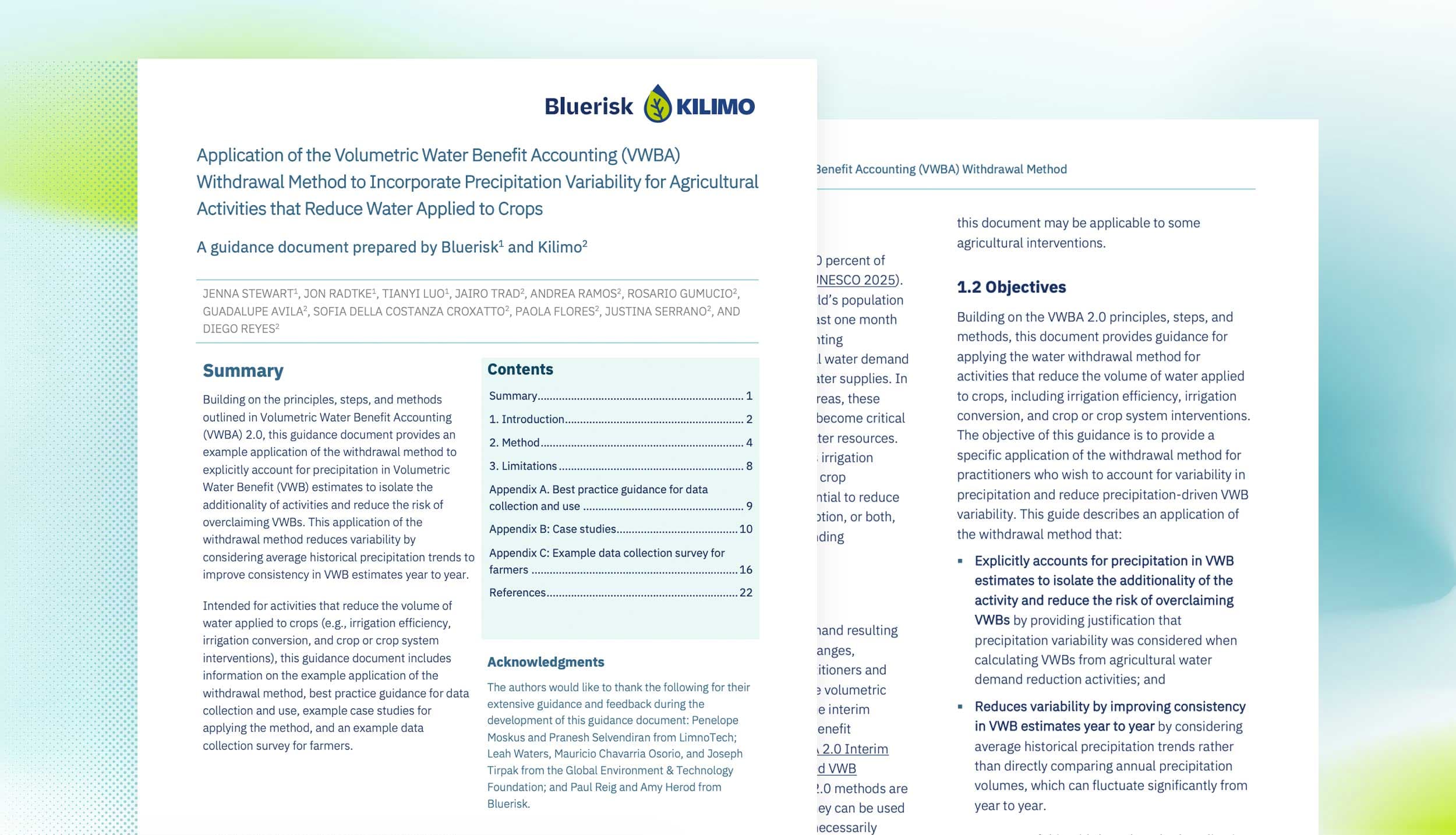
The VWBA Withdrawal Method and Precipitation Variability
Application of the VWBA Withdrawal Method to Incorporate Precipitation Variability for Agricultural Activities that Reduce Water Applied to Crops This guidance document prepared by Bluerisk and Kilimo…
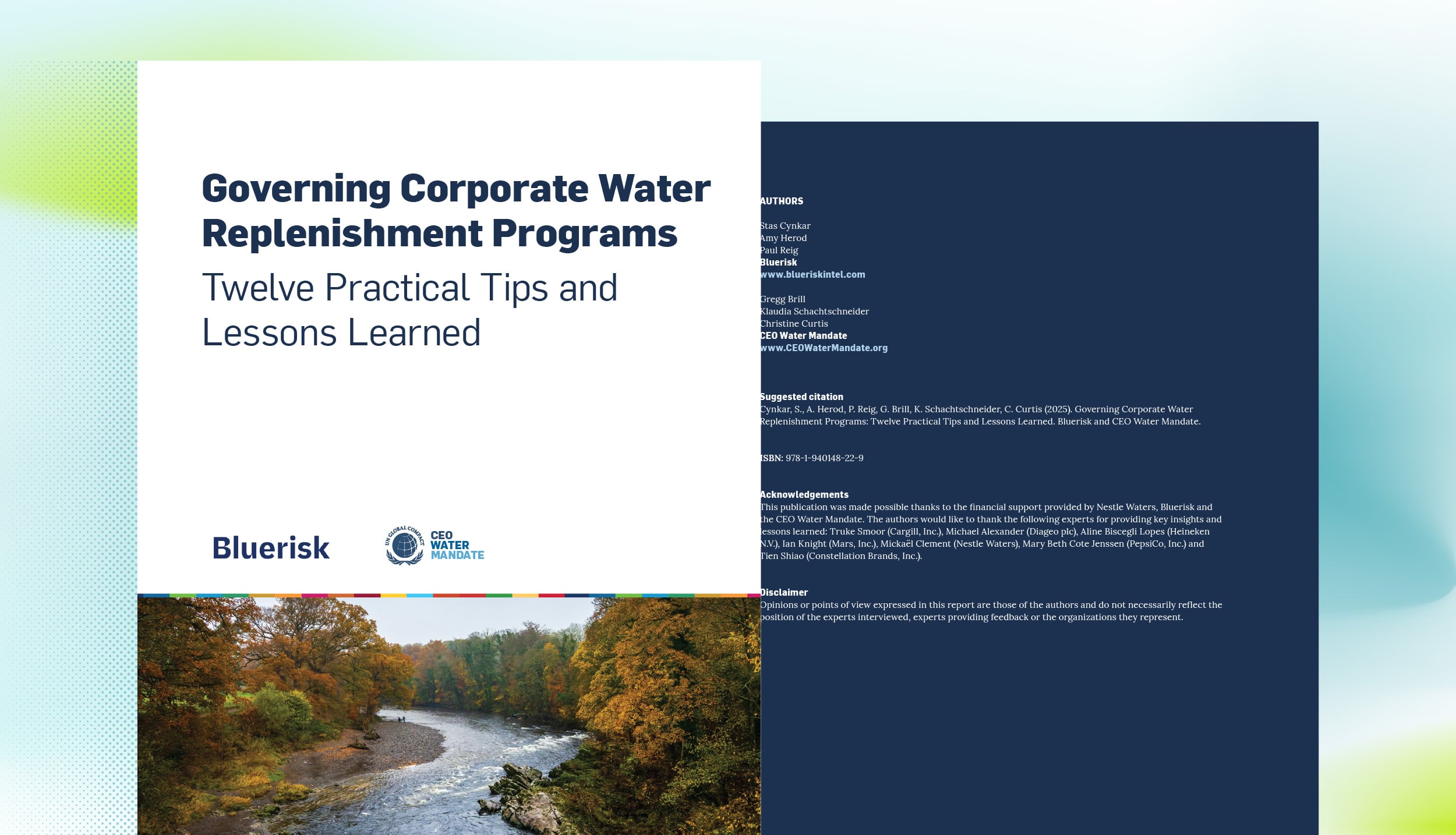
Governing Corporate Water Replenishment Programs
Governing Corporate Water Replenishment Programs: Twelve Practical Tips and Lessons Learned Maintaining reliable access to fresh water is a global challenge, and this challenge is growing increasingly…
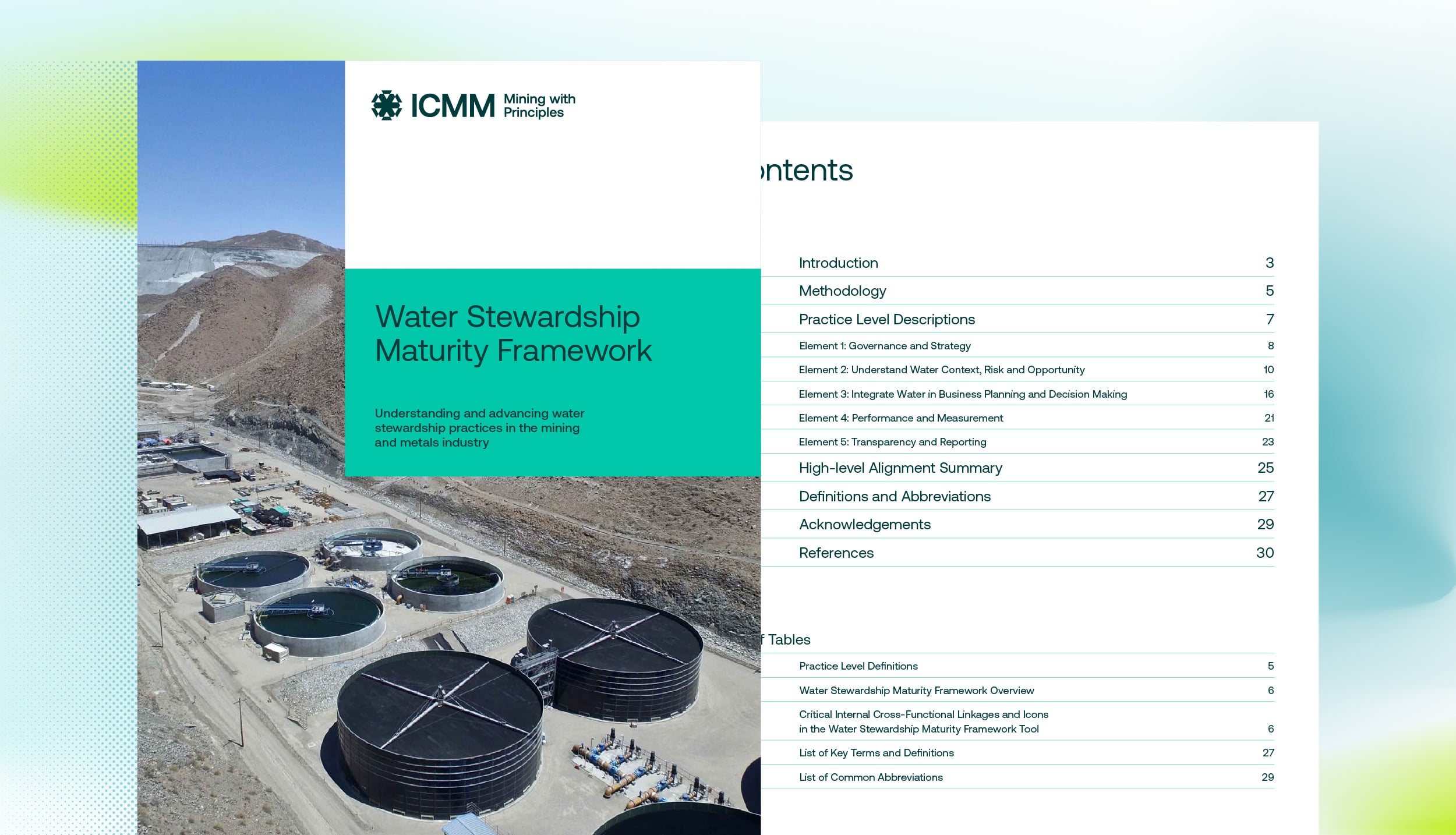
ICMM’s Water Stewardship Maturity Framework
ICMM’s Water Stewardship Maturity Framework is a practical tool designed to enhance the stewardship of shared water resources in ways that are socially equitable, environmentally sustainable and econo…
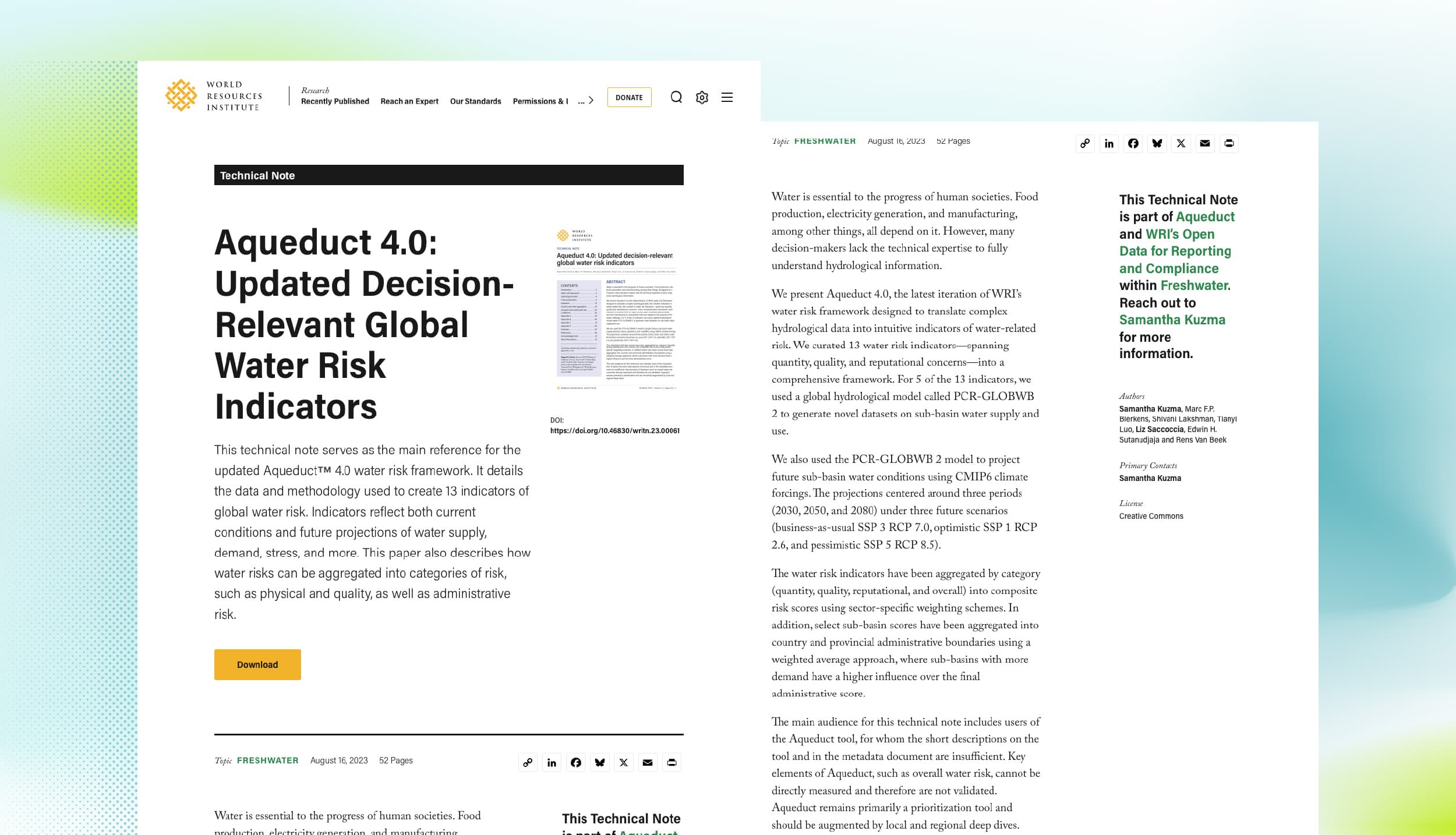
Aqueduct 4.0: Updated Decision-Relevant Global Water Risk Indicators
This technical note serves as the main reference for the updated Aqueduct™️ 4.0 water risk framework. It details the data and methodology used to create 13 indicators of global water risk. Indicators …
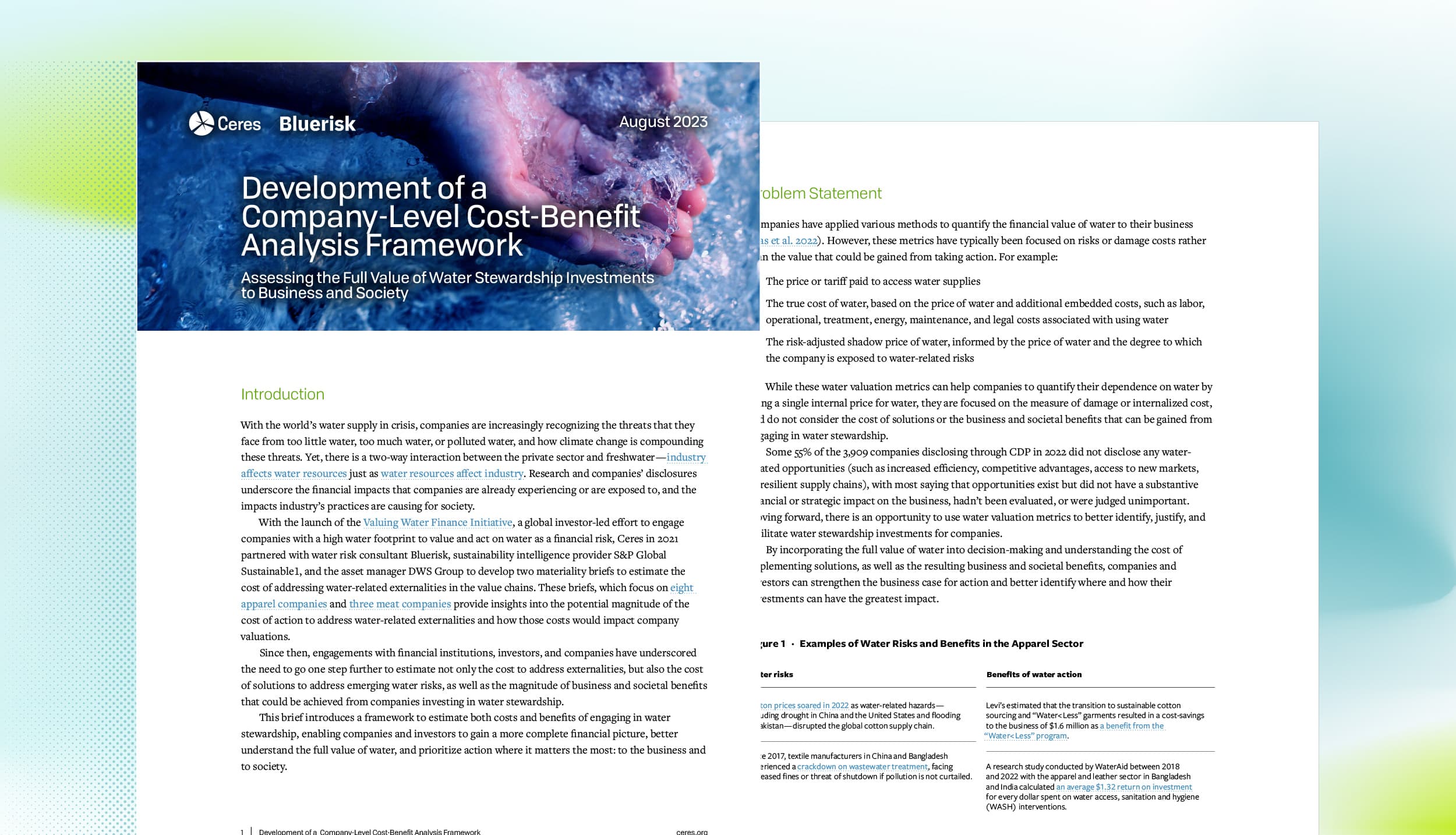
Evaluating Company-Level Cost-Benefit of Water Stewardship Investments
Development of a Company‐Level Cost‐Benefit Analysis Framework: Assessing the Full Value of Water Stewardship Investments to Business and Society With the world’s water supply in crisis, companies are…
Decade of Insights: Driving Impactful Water Replenishment Initiatives
A Decade in Review: Practical Perspectives and Experience in Driving Impactful Water Replenishment Initiatives The purpose of this document is to share, in a clear and concise format, insights the Bev…
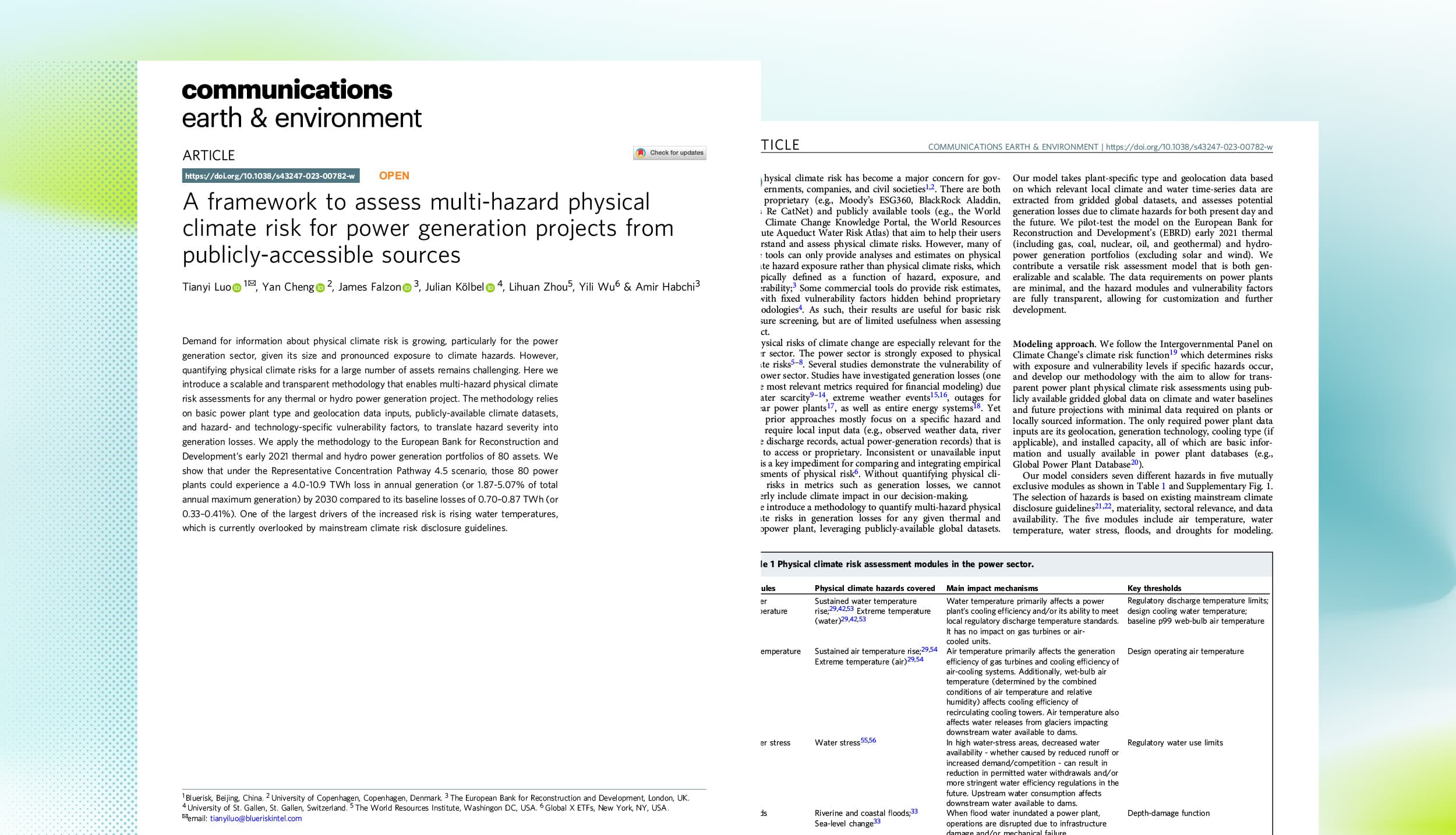
Assessing Multi-Hazard Climate Risks in Power Generation Projects
A framework to assess multi-hazard physical climate risk for power generation projects from publicly-accessible sources Demand for information about physical climate risk is growing, particularly for …
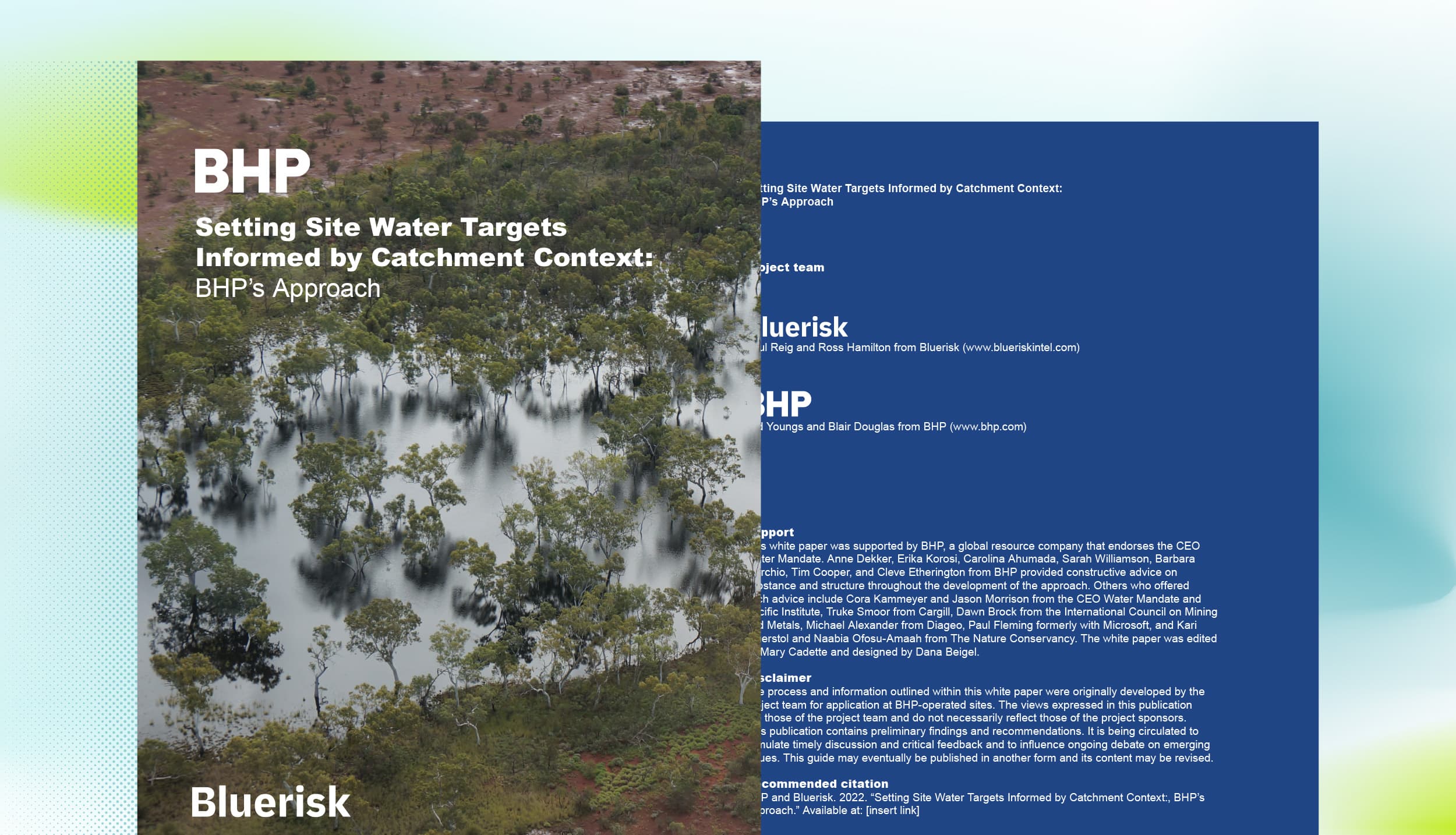
BHP’s Approach on Setting Site Water Targets with Catchment Context
Setting Site Water Targets Informed by Catchment Context: BHP’s Approach The objective of this white paper is to share BHP’s approach to setting context-based water targets (CBWTs) by applying three p…